Transforming Obstacles into Opportunities with Affirmations

Anúncios
The Power of Positive Thinking to Overcome Challenges
Life often presents obstacles that can feel overwhelming. However, these challenges can serve as catalysts for growth when approached with the right mindset. One powerful tool for navigating these hurdles is the practice of affirmations, which are intentional, positive statements used to challenge negative thoughts and beliefs.
Anúncios
Affirmations are not just empty words; they are meaningful declarations that have the potential to reshape our outlook and influence our behaviors. When practiced consistently, affirmations can lead to a significant shift in one’s mindset, facilitating personal and professional growth. Here’s how affirmations wield their influence:
- Build self-esteem: Empowering ourselves through positive language creates confidence. For instance, saying “I am capable of achieving my goals” can help foster a belief in one’s abilities, making it easier to tackle difficult tasks with determination.
- Shift perspective: By reframing obstacles as opportunities, we enable constructive thinking. When faced with a challenge, instead of thinking “I can’t do this,” affirmations can guide us to say, “This challenge is a chance for me to learn and grow,” thereby encouraging a proactive approach.
- Enhance resilience: Regular affirmation practice strengthens our ability to bounce back from setbacks. Individuals who engage in positive self-talk are more likely to persist in the face of adversity, demonstrating emotional toughness that can lead to greater success.
In the fast-paced world we live in, it is easy to become discouraged by setbacks. Many people may relate to feelings of stagnation or frustration after a failed project or an unexpected life event. But what if these setbacks could be transformed into stepping stones? Numerous success stories illustrate how consistently applying affirmations can transform limitations into advantages.
Anúncios
Consider the case of athletes who use affirmations to boost their performance. Olympic champions often visualize their success and affirm their capabilities, stating, “I can perform well under pressure.” This mental conditioning helps them excel when it matters most. Similarly, professionals in various fields have reported that affirmations have helped them overcome anxiety, improving their public speaking skills or sales performances.
By embracing this approach, you can discover the profound impact of the subconscious mind and its connection to success. The science of psychology supports the use of affirmations, showing that positive self-statements can activate the brain’s reward centers and promote feelings of happiness and fulfillment. Moreover, studies indicate that the consistent use of affirmations can create neural pathways that reinforce positive beliefs.
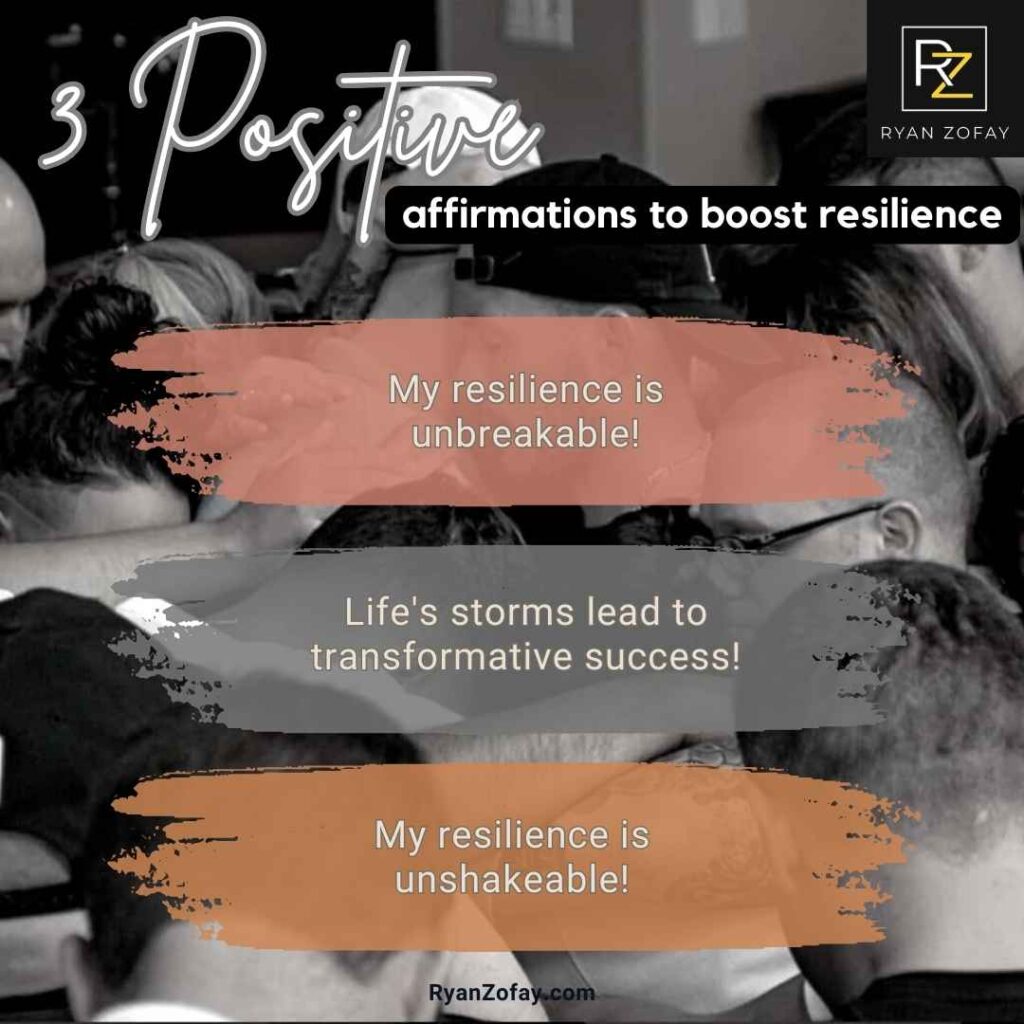
This article will delve into how affirmations can change your life, allowing you to face challenges with renewed vigor. Prepare to unlock your potential and see how you can transform obstacles into opportunities! Whether you are looking to enhance your career, improve relationships, or achieve personal growth, positive thinking through affirmations can be a game-changer. Explore this powerful practice and start your journey towards a more empowered existence today.
Harnessing Affirmations for Transformation
Affirmations are a powerful tool that can facilitate the journey of transforming obstacles into opportunities. By integrating positive affirmations into our daily routines, we can cultivate a mindset that not only recognizes challenges but also sees them as steps toward growth. Understanding how to effectively utilize affirmations is crucial for anyone looking to navigate life’s hurdles more effectively.
When we think about the structural components of affirmations, several key principles emerge. Constructing an affirmation typically entails a few vital elements:
- Present Tense: Affirmations should be framed in the present tense. For example, rather than saying “I will be successful,” it’s more impactful to state, “I am successful.” This statement asserts your belief and commitment to the success you seek.
- Positivity: The language used in affirmations must carry a positive connotation. Instead of focusing on what we want to avoid, such as “I am not afraid,” it is more effective to say, “I am confident and courageous.” Positive language not only elevates our mood but also gives us the strength to confront challenges head-on.
- Personal Relevance: Tailoring affirmations to resonate with your individual circumstances amplifies their effectiveness. A statement like, “I embrace every challenge as a chance to grow” speaks directly to someone seeking personal development, making it relatable and actionable.
Understanding the psychological underpinnings of affirmations provides additional insight into their effectiveness. Studies from reputable sources like the American Psychological Association reveal that affirmations can reinforce pathways in our brain, making it easier to develop new thought patterns and behaviors. This neuroplasticity allows us to rewire our thinking to better cope with difficulties.
Consider the everyday contexts in which affirmations can be applied. For instance, students in high-pressure academic environments can benefit from affirmations by stating, “I learn from my mistakes and continuously improve.” By adopting this perspective, they can transform the apprehension surrounding exams or presentations into an opportunity for increased self-awareness and learning.
In the workplace, organizations that foster a culture of positive affirmations often see higher employee morale and productivity. Leaders who regularly affirm their teams, saying things like, “Our challenges are opportunities for greatness,” can help cultivate a proactive mindset among employees, thus promoting innovative problem-solving.
Ultimately, the practice of affirmations serves as a springboard for personal and collective transformation. By consciously selecting positive statements and integrating them into our daily lives, we can effectively reframe our experiences. This shift not only enhances our awareness of growth opportunities but also equips us to tackle obstacles with renewed vigor and determination.
As we explore further into the art of leveraging affirmations, consider how this humble practice can lead to substantial changes in your life. Building resilience, enhancing relationships, and achieving professional excellence are just a few ways that affirmations can positively impact our daily experiences.
| Category | Details |
|---|---|
| Positive Mindset | Affirmations can help in cultivating a positive mindset, viewing challenges as opportunities for growth. |
| Emotional Resilience | Practicing affirmations can foster emotional resilience, enabling individuals to bounce back from setbacks with renewed strength. |
| Clarity of Purpose | Affirmations help in clarifying one’s goals, which in turn transforms obstacles into defined objectives. |
| Improved Self-Esteem | Consistent affirmation practice builds self-esteem, empowering individuals to confront challenges confidently. |
Harnessing the profound potential of affirmations in daily life can be a transformative journey. Through consistent practice, one can unlock a path filled with possibilities, reshaping how they perceive challenges. The subtle yet significant shifts in perspective fostered by affirmations can lead to not just personal growth, but also an enriched understanding of one’s capabilities and the external environment. As you explore this fascinating aspect of self-development further, consider incorporating affirmation routines into your daily practices, and observe the changes that unfold.
Affirmations as Catalysts for Change
The transformative power of affirmations extends beyond individual experiences, reaching into community dynamics and societal frameworks. By embedding affirmations into group settings, whether skill-building workshops or support networks, participants can foster a collective positive mindset that amplifies personal development. For instance, group affirmations, such as “Together we overcome challenges and inspire one another,” not only build cohesion but also promote resilience within the collective. This sense of unity can be particularly beneficial in workplaces facing challenges, such as economic downturns or shifting market landscapes.
Research supports the idea that a communal affirmation practice can yield significant benefits. A study published in the Journal of Organizational Behavior found that when team members regularly engaged in positive affirmations, overall task completion rates increased by over 30%. This effect was attributed to heightened motivation and collaboration, illustrating that the ripple effects of affirmations can extend beyond personal growth, paving the way for organizational success.
In educational settings, the power of affirmations can help dismantle barriers to learning. For students grappling with self-doubt or anxiety around academic performance, a statement like “I am capable of achieving my goals” can reframe their mindset, allowing them to approach difficulties with a problem-solving attitude. Educators can incorporate affirmations into their curriculum by encouraging daily practices, such as starting each class with a group affirmation. This routine not only promotes a growth mindset but also creates a more positive and engaging learning environment.
Furthermore, the advent of digital platforms has made it easier to disseminate empowering affirmations widely. Social media campaigns utilizing hashtags like #AffirmationForChange serve as calls to action, allowing individuals to share their stories of overcoming obstacles and transforming experiences. This not only attracts a sense of community but also normalizes discussions around challenges, emphasizing that struggles can lead to profound personal growth. These platforms cultivate a culture of positivity that can significantly alter how society perceives setbacks—no longer as failures but as essential experiences that contribute to ongoing development.
Moreover, affirmations can play a critical role in personal relationships. Partners who affirm one another while confronting hardships can strengthen their bonds. A couple facing financial difficulties may benefit from affirming statements like, “We are resourceful and creative,” which can empower them to work together to devise a solution rather than allowing stressors to drive a wedge between them. The type of language used in these affirmations can enhance communication, promoting healthier interactions and mitigating conflicts.
As we continue to explore how affirmations can turn obstacles into opportunities, it’s vital to consider their broad applicability across varied life domains. From enhancing emotional health to fostering better interpersonal relationships, affirmations emerge as versatile instruments in our toolkit for navigating life’s complexities. By consciously integrating these practices into different facets of life, we can gradually shift the collective narrative surrounding obstacles, revealing the opportunities they unveil beneath the surface.
In striving for transformation, affirmations do not just serve as individual mantras but as rallying calls that inspire collective action and resilience. This attributes not only to the individual level but also resonates at community and organizational levels, where the impact can ripple outward, influencing a broader array of experiences and fostering a culture of positivity and growth.
Conclusion
In conclusion, the journey of transforming obstacles into opportunities with affirmations illuminates the profound impact that positive self-affirmation can have on both individuals and communities. As we have explored, affirmations extend their reach beyond mere words; they serve as powerful tools that can reshape our perspectives, nurture resilience, and foster a sense of unity in times of adversity. By integrating affirmations into various spheres of life—be it educational settings, workplaces, or personal relationships—we can cultivate environments that thrive on positivity and growth.
The ripple effects of positive affirmations are evident in research, showcasing their potential to enhance productivity, collaboration, and emotional well-being. As more people adopt these practices, we witness a cultural shift in how society perceives challenges—not as insurmountable barriers but as invaluable learning experiences. By adopting a collective mindset of affirmation, we not only support our personal growth but also contribute to a broader, more encouraging community.
Furthermore, the digital landscape offers endless opportunities to spread awareness and engagement around this empowering practice through campaigns and hashtags. As we encourage discussions around affirmations and their role in overcoming obstacles, we inspire others to share their narratives, paving the way for an enriching dialogue on resilience. Ultimately, the practice of affirmations calls upon each of us to recognize that every challenge is an opportunity waiting to be unlocked, reaffirming that with the right mindset, we can transform our lives and uplift those around us.
Related posts:
Daily Challenges: Maintaining Consistency in Affirmations
Creating a Personalized Affirmation Challenge for Self-Discovery
Group Affirmation Challenges: Strengthening Community Through Positivity
Overcoming Self-Doubt: Affirmation Challenges to Boost Confidence
Affirmation Challenges for Building Resilience in Tough Times
Tracking Progress: How to Measure the Impact of Affirmation Challenges

Beatriz Johnson is a seasoned positive psychology writer and affirmation coach with a passion for simplifying the science of self-talk and mindset transformation. With over a decade of experience in the field, she specializes in topics like daily affirmation practices, cognitive reframing techniques, and the neuroscience of positive thinking. Through her work on our website, Beatriz empowers readers to cultivate self-love, build mental resilience, and create lasting positive change through intentional affirmations.