
How to Create Positive Affirmations to Boost Self-Confidence
Anúncios
Unlocking Self-Confidence Through Affirmations
Imagine waking up every day feeling empowered and ready to tackle the challenges ahead. This state of mind isn’t just a fanciful thought—it’s a tangible feeling many have cultivated through the use of positive affirmations. This technique can serve as a powerful tool in transforming your mindset and bolstering your self-confidence. By integrating tailored affirmations into your daily routine, you can unlock the inner strength necessary for personal growth and resilience.
Anúncios
Research in psychology has shown that affirmations can reshape our neural pathways, leading to a more optimistic perception of our abilities. This process is critical, particularly in a society that often emphasizes criticism over encouragement. When you encounter daily discouragement—be it at work, in school, or even in personal relationships—positive self-affirmations counteract that negativity. Here are a few significant benefits of practicing positive affirmations:
- Increased Motivation: Regularly repeating affirmations can ignite a renewed sense of drive. For instance, athletes often use affirmations to enhance focus and determination before competitions. They may state, «I am strong and capable,» which can form the foundation for peak performance.
- Reduced Anxiety: Many individuals experience anxiety and self-doubt, particularly in high-pressure environments. Positive affirmations can alleviate these feelings, fostering a sense of calm and security. For example, professionals might say, «I am prepared for the challenges I will face today,» in anticipation of an important presentation.
- Improved Self-Image: Affirmations create an opportunity to promote compassion towards oneself. Rather than fixating on perceived flaws, individuals learn to appreciate their unique qualities. Someone might affirm, «I embrace my uniqueness,» encouraging a healthier self-image over time.
Crafting personalized affirmations is crucial to their effectiveness. The process allows you to create statements that resonate deeply with your emotions and aspirations. Effective affirmations should be:
Anúncios
- Present tense: Phrase affirmations as if they are currently true. For example, «I am confident and capable» is more impactful than «I will be confident.»
- Positive: Focus on aspirations rather than limitations. Instead of saying «I am not afraid,» phrase it as «I am courageous.»
- Specific: Tailor affirmations to your personal goals, whether they pertain to career objectives, personal relationships, or self-growth.
As you embark on this journey of self-discovery, take the necessary time to cultivate affirmations that truly reflect your experiences and desired outcomes. These memorable phrases can ultimately guide you toward a more confident version of yourself, free from the clutches of self-doubt. By committing to this practice, not only do you build resilience against life’s challenges, but you also embrace a profound transformation in your perspective and experience.
Crafting Affirmations That Resonate
Creating effective positive affirmations is both an art and a science. While the concept of affirmations may seem simple, the impact they can have on your self-confidence is profound. The key lies in crafting statements that are meaningful and relevant to your personal journey. This requires introspection and a clear understanding of where you currently stand and where you aspire to be.

To begin, consider the aspects of your life where you struggle with self-confidence. Is it in your professional life, during social interactions, or perhaps in pursuing personal goals? Identifying specific areas allows you to create affirmations that target these challenges head-on. Here are some steps to guide you in designing powerful affirmations:
- Identify Core Beliefs: Reflect on the beliefs that hold you back from feeling confident. Write down the negative thoughts you often encounter, such as “I am not good enough” or “I will fail.” Understanding these limitations will help you transform them into positive affirmations.
- Transform Negativity: For each negative belief, craft a corresponding positive affirmation. If you struggle with “I am not experienced,” you could create the empowering statement “I am continually growing and acquiring new skills.” This transformation shifts your focus from limitations to opportunities.
- Make It Personal: The most effective affirmations are those that genuinely resonate with who you are. Use language that feels authentic to you. For example, if affirming “I am successful” feels too far-fetched, modify it to something like “I am capable of achieving my goals,” which may feel more attainable.
- Focus on Emotion: A compelling affirmation evokes strong, positive emotions. When you recite your affirmations, focus on the feelings associated with the statements. Visualize the success and confidence you are affirming, allowing those emotions to boost your motivation.
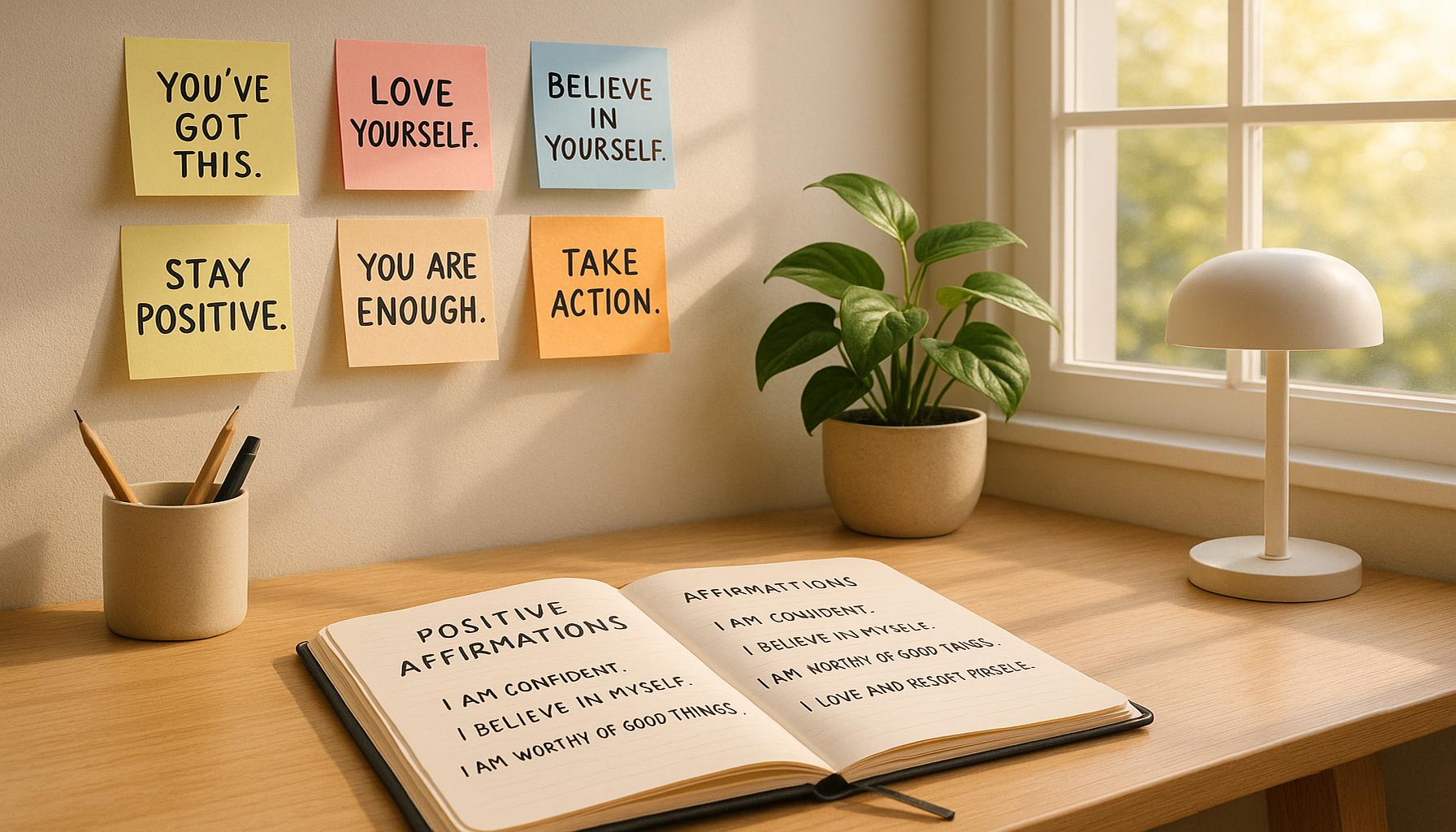
You may find it helpful to write your affirmations down or display them in prominent places where you can see them regularly, like on your bathroom mirror or as your phone’s wallpaper. This constant exposure reinforces the affirmations in your subconscious mind over time.
Additionally, keep in mind that affirmations should evolve as you grow. What works for you today might need adjustment tomorrow. Stay flexible and open to altering your affirmations to better match your changing aspirations and achievements. This adaptability will not only keep your affirmations fresh but will also encourage continual personal growth as you push toward higher self-confidence.
Ultimately, crafting and embracing positive affirmations is a rewarding journey. While it may take time and practice, the benefits of improved self-confidence and mental resilience are well worth the effort. As you engage in this practice, you may discover that the affirmations become a powerful compass guiding you toward a brighter future.
Crafting Effective Positive Affirmations
Positive affirmations serve as powerful tools to cultivate self-confidence and reinforce our belief in our abilities. To effectively create these affirmations, one must consider a few key elements. Firstly, ensure that your affirmations are personal and specific. Instead of vague statements like “I am confident,” try to articulate what confidence means to you personally. For instance, say “I confidently share my ideas during meetings.” This specificity not only makes the affirmation more relatable but also increases its impact.Secondly, affirmations should be in the present tense. Framing them as if they are currently true helps to create a sense of immediacy and urgency in your mindset. For example, “I am a successful and confident speaker” reinforces your current skills, helping to manifest the desired reality.Another essential aspect is to keep your affirmations positive. Focus on what you want to achieve rather than what you want to avoid. Instead of saying, “I am not afraid of failure,” a more effective affirmation would be, “I embrace challenges as opportunities for growth.” The latter invites a positive outlook, fostering resilience and self-assurance.Additionally, the frequency and consistency of repeating your affirmations play a vital role in their efficacy. Integrating them into your daily routine—such as during morning reflections or journaling—can significantly improve your mental reinforcement. As you say your affirmations aloud, visualize yourself embodying those traits effectively. This visualization adds a layer of depth to your affirmations and enhances belief in their validity.Lastly, consider writing down your affirmations and displaying them in visible spaces around your home or workspace. When you regularly encounter these positive messages, they become embedded in your subconscious, reinforcing a positive mindset that encourages greater self-confidence.By focusing on these strategies when crafting your positive affirmations, you pave the way to effectively boost your self-confidence. Each affirmation acts as a stepping stone on your journey, gradually transforming your self-perception and empowering you to face various life challenges with greater assurance and poise.
| Category | Description |
|---|---|
| Specificity | Focus on personal achievements and outcomes for greater connection. |
| Present Tense | Frame affirmations as current truths to foster belief. |
| Positive Language | Focus on desired outcomes rather than avoiding negatives. |
| Frequency | Integrate affirmations into daily routines for mental reinforcement. |
| Visual Displays | Write and display affirmations to reinforce subconscious thoughts. |
Developing effective positive affirmations allows you to create an environment conducive to building self-confidence over time. Embrace this transformative process, and watch as your self-belief flourishes.
Integrating Affirmations into Your Daily Routine
Once you have crafted personalized and powerful positive affirmations, the next step is to integrate them into your daily routine. Consistency is key in reinforcing these affirmations and solidifying their impact on your self-confidence. The more regularly you practice affirmations, the more they become ingrained in your thought patterns and beliefs, facilitating enduring changes in your mindset.
Here are several practical methods to incorporate affirmations into your everyday life:
- Morning Ritual: Start your day with a dedicated affirmation session. Upon waking, take a few moments to recite your affirmations out loud in front of a mirror or write them down in a journal. Doing this in the morning helps set a positive tone for the day ahead, bolstering your self-esteem right from the start.
- Mindfulness Practices: Incorporate your affirmations into meditation or mindfulness sessions. As you engage in deep breathing or visualization, repeat your affirmations silently or aloud. This practice not only helps reinforce the messages but also aids in cultivating a calm and focused mindset throughout the day.
- Visual Reminders: Beyond displaying your affirmations, consider creating visual reminders. Poster boards, sticky notes, or digital wallpapers can serve as constant reminders of your affirmations. These visuals can interrupt negative thought patterns when you encounter moments of self-doubt, serving as anchors for positivity.
- Affirmation Journals: Maintain a dedicated journal for your affirmations. Write down your affirmations daily, along with any experiences or feelings that arise as you practice them. This reflective practice encourages you to track your progress and witness firsthand how affirmations influence your self-confidence over time.
- Accountability Partners: Share your affirmations with a trusted friend, family member, or mentor. Having someone hold you accountable can encourage you to stay committed to practicing your affirmations consistently. Additionally, verbalizing your affirmations to someone else can amplify their impact, making you more likely to take the statements seriously.
It’s important to note that the impact of these affirmations may not manifest overnight. Just like any other practice, patience is crucial. Research shows that repetitive positive self-statements can lead to long-term changes in self-image and emotional well-being. A study published in the British Journal of Psychology found that individuals who engaged in consistent positive affirmations reported increased levels of self-esteem and resilience.
Moreover, consider deepening your engagement with your affirmations by connecting them to your goals and values. When your affirmations align with your personal aspirations, they can foster a stronger motivation to achieve them. For instance, if your affirmation is “I am worthy of success,” connect it with specific objectives you are working towards, like pursuing a promotion at work or starting a new project. This alignment can create a powerful synergy between your self-talk and your actions, propelling you forward in pursuit of your intentions.
As you navigate the path of self-discovery and self-acceptance, remember that affirmations are a tool, and like any tool, their effectiveness largely depends on how you wield them. Embrace the transformative power of positive affirmations, and allow them to shape not only your self-confidence but also your overall outlook on life.
Conclusion
In conclusion, creating positive affirmations to boost self-confidence is an empowering journey that can lead to profound personal transformation. By crafting personalized affirmations that resonate with your dreams and values, you establish a foundation for enriching your self-perception. The practice of affirmations, when seamlessly integrated into your daily routine, provides you with the tools to challenge negative self-talk and replace it with constructive beliefs.
It’s essential to recognize that the road to enhanced self-confidence through affirmations is not a sprint but a marathon. As evidenced by scientific research, such as studies published in the British Journal of Psychology, consistency is paramount. The more you engage with your affirmations—whether through morning rituals, mindfulness, or supportive relationships—the more they become a natural part of your mental fabric. Additionally, the deep connection between affirmations and personal goals can serve as a catalyst for motivation, helping you align your self-talk with actionable steps towards your aspirations.
As you leverage the art of affirmations, remain patient and open to the exploration of your inner landscape. Embrace any setbacks as opportunities for growth rather than reassessment of your worth. In doing so, you not only amplify your self-confidence, but you also cultivate a resilient outlook that empowers you to navigate the complexities of life with grace and assurance. If you extend your journey beyond self-affirmation, consider integrating the insights you gain into your broader interactions and objectives, enhancing both your personal and professional realms.
Ultimately, the power to reshape your inner dialogue and fortify your self-esteem lies firmly in your hands. With dedication to your practice, positive affirmations can become a transformative force, illuminating the path towards a stronger, more confident you.